Summer Gnome 3D SVG Multilayered Cut: A Practical Review for Digital Crafters
The digital crafting market has evolved significantly over the last decade, moving beyond simple silhouette cuts to complex, multi-dimensional designs that require precision and planning. Among the trending assets in this space is the Summer Gnome 3D SVG Multilayered Cut. This specific file set represents a shift toward intricate papercraft techniques, appealing to users who want to create tangible, high-quality physical projects from digital inputs. For professionals, educators, and serious hobbyists, understanding the utility and workflow of such assets is essential before integrating them into personal or commercial workflows.
This review examines the Summer Gnome 3D SVG Multilayered Cut not merely as a decorative image, but as a functional design asset. We will analyze its technical specifications, usability across various platforms, and practical applications in home decor, educational settings, and small business ventures. The goal is to provide an objective assessment of whether this multilayered cut file offers sufficient value to justify the time investment required for assembly.
Understanding the Asset: Format and Technical Specifications
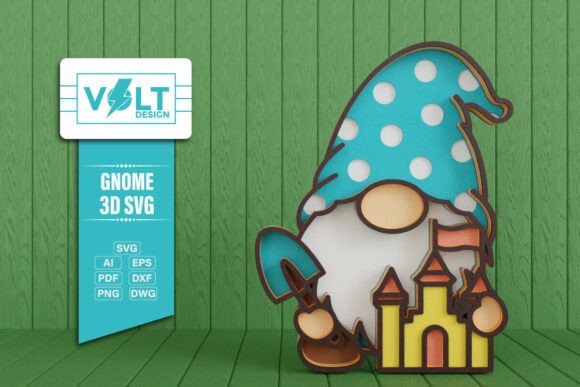
At its core, the Summer Gnome 3D SVG Multilayered Cut is a digital download containing vector-based graphics designed for cutting machines. Unlike single-layer SVGs, which produce flat silhouettes, this asset comprises multiple distinct layers that must be cut separately and then stacked to create depth. The package typically includes a comprehensive suite of file formats to ensure compatibility with different software ecosystems:
- SVG (Scalable Vector Graphics): The standard format for most modern cutting machines, allowing for infinite scaling without loss of quality.
- EPS (Encapsulated PostScript): Preferred by professional designers using Adobe Illustrator or CorelDRAW for advanced editing.
- AI (Adobe Illustrator): Native editable files for users within the Adobe ecosystem.
- PNG (Portable Network Graphics): Raster images included for preview purposes or use in non-vector software.
- PDF (Portable Document Format): Useful for printing templates or viewing layer arrangements on devices that do not support vector editing.
- DXF and DWG: AutoCAD-compatible formats, catering to users who integrate cutting files into architectural or engineering design workflows.
The inclusion of these varied formats underscores the versatility of the asset. It suggests that the creator intended the file to be accessible to beginners using basic Cricut or Silhouette software, as well as advanced users requiring precise vector manipulation. However, the presence of multiple layers means that the user interface of the chosen software must handle layered structures effectively to prevent confusion during the cutting process.
Workflow Analysis: From Download to Finished Product
Using a multilayered cut file like the Summer Gnome requires a more deliberate workflow than standard single-cut projects. The process generally follows a structured sequence that demands attention to detail:
- Download and Extraction: Users receive a compressed zip archive. Immediate extraction is necessary to access the individual files. It is crucial to verify that all layers are present and correctly named upon extraction.
- Software Upload: The files must be uploaded to the cutting software. In this stage, users should inspect the layer stack order. Proper sequencing is vital; if Layer 3 is cut before Layer 2, the structural integrity of the final 3D model may be compromised.
- Material Selection: The choice of material significantly impacts the final result. Cardstock in varying weights and textures is common, but some crafters experiment with foam sheets or thin wood veneers for enhanced dimensionality. The Summer Gnome design likely relies on contrast between layers to define its features, so material opacity should be considered.
- Cutting Process: Each layer must be cut individually. While some advanced software allows for batch processing, it is often safer to cut one color or material at a time to avoid misalignment issues inherent in multi-material setups.
- Assembly: The final step involves stacking the layers according to the designated serial order. Adhesives, such as double-sided tape or glue dots, are used to secure the layers. Precision here determines the sharpness of the 3D effect.
This workflow highlights a key consideration: time management. While the digital file provides the blueprint, the physical assembly is labor-intensive. For entrepreneurs producing items for sale, this labor cost must be factored into pricing strategies. For hobbyists, it represents a rewarding, albeit time-consuming, creative exercise.
Practical Applications and Use Cases
The versatility of the Summer Gnome 3D SVG Multilayered Cut extends beyond simple decoration. Its aesthetic appeal and structural complexity make it suitable for several distinct categories of use.
Home Decor and Wall Art
One of the primary strengths of multilayered papercuts is their ability to interact with light. When mounted on a wall and backlit, the overlapping layers cast intricate shadows, transforming a static image into a dynamic visual experience. The Summer Gnome design, with its thematic elements, can serve as a seasonal focal point in living rooms, nurseries, or entryways. The 3D effect adds a tactile quality that flat prints cannot replicate, offering a premium feel to home decor.
Greeting Cards and Stationery
In the realm of paper crafts, layered cards stand out due to their uniqueness. By incorporating smaller versions of the Summer Gnome layers into card bases, creators can produce high-end greeting cards for birthdays, holidays, or special occasions. The intricate patterns catch the eye and invite closer inspection, enhancing the emotional impact of the message. This application is particularly effective for boutique stationery brands looking to differentiate themselves in a crowded market.
Scrapbooking and Journaling
For scrapbookers, embellishments are crucial for framing memories. Small-scale versions of the gnome layers can be adhered to page corners or used as central motifs. The multilayered aspect adds depth to two-dimensional pages, making photos pop. This technique is especially useful for documenting summer events, garden parties, or whimsical family gatherings, aligning the theme of the craft with the content of the album.
Educational Projects
Educators and parents can utilize this asset for STEAM (Science, Technology, Engineering, Arts, and Mathematics) activities. The process of assembling a 3D object from 2D layers introduces concepts of spatial reasoning, geometry, and sequential logic. Children can learn about layering, symmetry, and the properties of different materials while engaging in a fun, hands-on project. The clear structure of the file makes it accessible for guided classroom activities.
Evaluating Quality, Flexibility, and Long-Term Value
When assessing the long-term value of the Summer Gnome 3D SVG Multilayered Cut, several factors come into play. Quality is determined by the clean lines of the vector paths and the logical organization of the layers. High-quality files minimize jagged edges and ensure that cutting machines execute precise movements, reducing waste and frustration.
Flexibility is another critical advantage. Because the asset is provided in vector formats, it can be resized without pixelation. A designer might scale the gnome up for a large wall installation or down for a tiny ornament. This scalability increases the asset’s utility across diverse project types. Furthermore, the multilayered nature allows for customization; users can change the color palette of each layer independently to match specific brand guidelines or seasonal themes.
However, potential limitations exist. The complexity of the design may pose challenges for users with older or less powerful cutting machines that struggle with intricate details. Additionally, the requirement for precise alignment during assembly means that beginners may experience a steeper learning curve compared to simpler cut files. It is important for buyers to assess their own skill level and equipment capabilities before committing to such detailed projects.
Who Benefits Most?
The Summer Gnome 3D SVG Multilayered Cut is best suited for individuals and businesses that value craftsmanship and detail. It is ideal for:
- Small Business Owners: Those selling handmade goods on platforms like Etsy can leverage this design to create unique, high-value products that command higher prices due to their complexity.
- Content Creators and Bloggers: Individuals who share DIY tutorials or crafting tips can use this project to demonstrate advanced techniques, attracting an audience interested in elevating their skills.
- Hobbyists Seeking Challenge: Experienced crafters looking to move beyond basic decals can find satisfaction in the puzzle-like assembly of a 3D papercut.
- Educators: Teachers seeking engaging, cross-disciplinary projects that combine art with technical skills.
Conversely, users seeking quick, low-effort decorations or those with limited access to cutting machinery may find this asset less practical. The time investment required for cutting and assembling multiple layers is significant, and the final product’s success depends heavily on the user’s precision.
Conclusion
The Summer Gnome 3D SVG Multilayered Cut stands out as a robust and versatile digital asset for the modern crafter. Its comprehensive file formats, combined with the aesthetic potential of 3D papercraft, offer substantial value for both personal enjoyment and commercial application. While it demands a higher level of skill and time commitment than traditional single-layer designs, the resulting projects—whether they be elegant wall art, bespoke greeting cards, or educational tools—are visually striking and professionally finished. For those willing to engage with the workflow, this asset provides a reliable foundation for creating memorable, tangible art pieces that resonate with audiences seeking depth and detail in their creative expressions.