3D Summer Stand Laser Cut: A Strategic Asset for Digital Creators and Makers
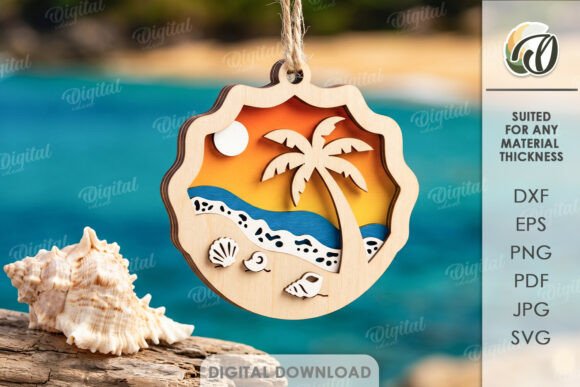
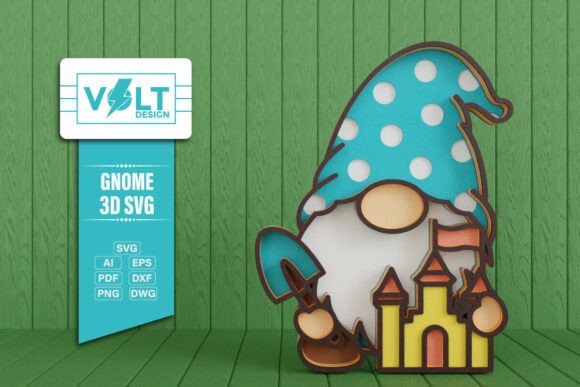
In the modern landscape of digital creation, the bridge between virtual design and physical manifestation is often defined by precision and accessibility. For professionals, hobbyists, and small business owners alike, the ability to translate a digital concept into a tangible object is no longer a barrier reserved for industrial factories. Instead, it has become a streamlined process accessible through desktop laser cutters and CNC machines. Central to this workflow is the acquisition of high-quality vector files that are optimized for manufacturing. The 3D Summer Stand Laser Cut represents more than just a decorative item; it is a test case for efficient file management, material optimization, and creative execution.
This article explores how integrating ready-made, multi-format design assets like the 3D Summer Stand into your production pipeline can enhance efficiency, reduce technical friction, and elevate the final output quality. Whether you are an educator creating classroom aids, a marketer designing event displays, or a maker experimenting with layered paper crafts, understanding the lifecycle of these digital assets is crucial for consistent results.
The Shift from Concept to Production: Why File Format Matters
One of the most common bottlenecks in DIY fabrication projects is the conversion of raster images (like JPEGs) into vector paths that laser cutters can read. This process requires manual tracing, which introduces human error, inconsistent line weights, and time-consuming adjustments. By utilizing a pre-prepared asset package such as the one offered for the 3D Summer Stand, creators bypass this initial phase entirely.
The product in question provides a comprehensive zip folder containing the design in SVG, DXF, EPS, PDF, JPEG, and PNG formats. This diversity is not merely for convenience; it serves specific roles within different software ecosystems:
- SVG and DXF: These are the primary workhorses for laser cutting. SVG is ideal for web-based editors and modern CAD software, while DXF remains the industry standard for compatibility with older CAM (Computer-Aided Manufacturing) systems. Having both ensures that regardless of your machine’s native language, you have a compatible path file.
- EPS: Often used in professional graphic design workflows, this format allows designers to import the stand’s elements directly into Illustrator or InDesign for branding purposes before exporting them for cutting.
- PDF: Useful for quick visualization and scaling checks without opening heavy vector editing software.
- JPEG and PNG: While not cuttable, these serve as essential references for assembly instructions, color matching, and inspiration during the planning phase.
By securing all these formats at once, you eliminate the need for third-party conversion tools, which often degrade line quality or introduce unwanted artifacts. This direct access supports a smoother transition from planning to execution.
Material Specifications and Preparation
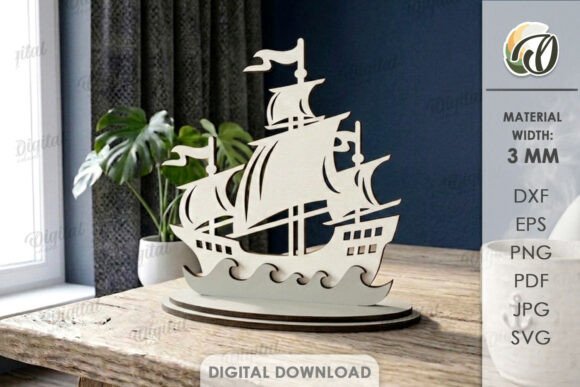
A critical factor in successful laser cutting is material compatibility. The 3D Summer Stand design is specifically engineered for materials with a width of 3mm. This specification is non-negotiable for achieving the intended structural integrity and visual depth of the final piece. Using material that is too thin may result in fragile joints that fail under their own weight, while material that is too thick will prevent the interlocking tabs from seating correctly, leading to misalignment or the need for excessive sanding.
When preparing for this project, consider the following practical steps:
- Source Consistent Stock: Ensure your plywood, acrylic, or cardstock sheets are uniform in thickness. Variations in density or thickness across a single sheet can cause uneven cuts or burn marks.
- Calibrate Your Machine: Before running the full job, perform a test cut on a scrap piece of the same 3mm material. Adjust power and speed settings to ensure clean edges without excessive charring. For wood, lower speeds generally produce cleaner cuts but increase burn risk; finding the balance is key to professional-looking results.
- Analyze the Vector Paths: Open the SVG or DXF file in your preferred software. Check for overlapping lines or double-edges, which can cause the laser to trace the same path twice, potentially burning through delicate details. Clean up any anomalies before sending the file to the cutter.
This preparation phase is where many amateur makers stumble. By treating the digital file as a precise engineering blueprint rather than a simple image, you set the stage for a high-quality outcome. The "3D" aspect of the stand relies on the precise fit of its layers; therefore, dimensional accuracy is paramount.
Integration into Creative and Business Workflows
The utility of the 3D Summer Stand extends beyond a single craft project. It fits seamlessly into various professional and educational workflows.
For Educators and Content Creators
Educators can use this design as a hands-on learning tool for geometry, spatial reasoning, and basic engineering principles. The layered nature of the stand demonstrates concepts like scale, proportion, and structural support. For bloggers and YouTubers, the process of assembling this stand provides engaging content. The clear distinction between the digital file and the physical result offers a compelling narrative about the maker movement.
For Small Business Owners and Marketers
If you run a boutique shop or host pop-up events, custom signage and displays are vital for brand presence. While the 3D Summer Stand is a standalone decorative piece, the skills and processes learned here apply to larger projects. You can adapt the design logic to create branded merchandise, display stands for products, or unique office decor. The ability to quickly produce a prototype using a pre-made file allows for rapid iteration. If a client requests a variation, you can modify the vector file easily, print a mockup, and refine the design before committing to expensive bulk production.
For Freelancers and Designers
Freelance designers often need to demonstrate concepts to clients who struggle to visualize 2D drawings. Producing a physical 3D model of a design element adds credibility and clarity to presentations. The 3D Summer Stand serves as an excellent exercise in translating flat graphics into volumetric objects. It reinforces the importance of understanding how digital coordinates translate to physical dimensions.
Assembly and Quality Control
Once the cutting phase is complete, the focus shifts to assembly. The beauty of laser-cut designs lies in their interlocking nature, which often eliminates the need for glue or fasteners. However, achieving a seamless fit requires patience and attention to detail.
Start by removing the cut pieces from the waste material carefully. Use tweezers or a sharp blade to free any parts that may be stuck due to minor thermal expansion. Inspect each tab and slot for burrs or incomplete cuts. A light sanding or scraping of the joint areas can significantly improve the fit. When assembling, work from the bottom layer up, ensuring each subsequent layer sits flush against the previous one. Misalignment at the base will compound as you add height, resulting in a wobbly or skewed final product.
Quality control is not just about the final look; it is about verifying that the design functions as intended. Does the stand hold its shape? Are the edges smooth? Is the aesthetic pleasing from all angles? Taking the time to inspect these factors ensures that the final product reflects the professionalism of the original digital design.
Long-Term Value and Versatility
Purchasing a digital asset like the 3D Summer Stand is an investment in your toolkit. Unlike physical goods, digital files do not degrade over time and can be reused indefinitely. You can experiment with different materials—switching from birch plywood to vibrant acrylic or sturdy chipboard—to achieve different visual effects. This versatility keeps the design relevant across seasons and trends.
Furthermore, owning the source files empowers you to make modifications. Need a logo integrated into the top layer? Can adjust the scale for a larger display? The flexibility of vector graphics allows for endless customization. This aligns with the needs of entrepreneurs and creators who require bespoke solutions rather than off-the-shelf compromises.
Conclusion
The journey from a digital idea to a physical reality is simplified by the right resources. The 3D Summer Stand Laser Cut design offers a robust, multi-format solution that respects the technical requirements of modern fabrication tools. By providing SVG, DXF, EPS, PDF, JPEG, and PNG files, it caters to a wide range of software preferences and workflow stages. With a strict requirement for 3mm material, it teaches the importance of precision and preparation.
Whether you are looking to enhance your home decor, create engaging educational materials, or develop prototypes for your business, this design serves as a reliable foundation. It encourages a methodical approach to making, emphasizing planning, compatibility, and careful execution. As you integrate such assets into your routine, you will find that the barriers between digital creativity and physical production continue to dissolve, allowing for greater innovation and efficiency in your work.
Thank you for considering this resource for your next project. Should you have questions regarding file usage, material choices, or assembly techniques, please reach out. Happy shopping and happy creating.