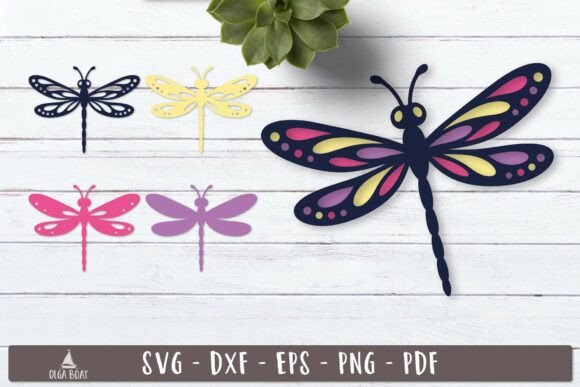
3d Dragonfly Layered SVG Design
Creating intricate, professional-looking crafts at home has never been more accessible, yet it often requires a delicate balance of technical skill and artistic vision. For hobbyists who enjoy using cutting machines like Cricut or Silhouette, the gap between a simple cut-out and a dimensional masterpiece can feel wide. This is where specialized digital assets come into play. The 3d Dragonfly Layered SVG Design offers a sophisticated solution for crafters looking to elevate their projects from flat paper cuts to stunning three-dimensional wall art and detailed decorative pieces. By understanding how this specific design format works and how to implement it effectively, you can unlock new levels of creativity in your crafting routine.
Understanding the 3d Dragonfly Layered SVG Design
At its core, a layered SVG (Scalable Vector Graphics) file is a digital blueprint that tells your cutting machine exactly where to slice through material. However, not all SVGs are created equal. A standard SVG might produce a single silhouette, but a 3d Dragonfly Layered SVG Design is structured differently. It contains multiple distinct layers or paths that correspond to different depths or positions in the final assembly. Think of it as an architectural plan for a sculpture rather than a sticker sheet.
This design typically includes various components: the main body segments, wing structures, antennae, and often small spacer elements that create depth when glued together. When you import this file into your cutting software, you will see numerous overlapping shapes. Each shape represents a physical layer of your dragonfly. The beauty of this approach lies in the precision; because the files are vector-based, they remain crisp regardless of size, allowing you to scale your dragonfly from a small ornament to a large statement piece without losing detail.
Addressing Common Crafting Challenges
Many crafters face specific hurdles when attempting to create dimensional art. One common challenge is achieving consistent alignment. When assembling a multi-layered object by hand, even a millimeter of misalignment can throw off the entire aesthetic, making the dragonfly look lopsided or distorted. Another frequent issue is material waste. Without precise templates, users often cut too much material away or struggle to fit complex wing patterns onto limited sheets of cardstock, vinyl, or wood veneer.
Furthermore, beginners often find the process of converting a digital image into a cuttable file daunting. They may spend hours trying to trace outlines manually, only to find the resulting lines jagged or inaccurate. The 3d Dragonfly Layered SVG Design eliminates these barriers by providing pre-optimized, mathematically precise paths. This allows you to bypass the technical learning curve of vector tracing and focus entirely on the creative assembly process.
Practical Applications and Creative Outcomes
The versatility of this design extends far beyond a single project type. Because the 3d Dragonfly Layered SVG Design relies on layering, it adapts beautifully to various mediums and purposes. Here are several ways you can utilize this asset:
- Wall Decor: By using heavier materials like chipboard, thin plywood, or thick cardstock, you can create a dramatic shadow-box effect. Mounting the layered dragonfly against a contrasting background creates a striking focal point for living rooms, nurseries, or offices.
- Handmade Gifts: Personalized gifts are highly valued in the handmade market. You can customize the color palette of the layers to match a recipient’s favorite colors or a specific theme, such as pastel tones for a baby shower or bold hues for a nature enthusiast.
- Seasonal Displays: Dragonflies are often associated with summer and warmth, but by changing the materials—such as using metallic foil paper or glitter cardstock—you can adapt the design for holidays or special events.
- Jewelry and Accessories: Smaller scaled versions of the layers can be used to create unique pendants, brooches, or hair clips, especially when cut from leather or sturdy vinyl.
What You Receive and How to Use It
To ensure compatibility across different software platforms and user preferences, the 3d Dragonfly Layered SVG Design package is comprehensive. You will receive five distinct file formats, each packed in a convenient ZIP archive:
- EPS 10 File: Ideal for professional graphic designers using Adobe Illustrator or CorelDRAW. This format preserves vector data and layer structures perfectly.
- PNG File: A high-resolution raster image useful for visual reference or for users who prefer working with bitmap images in certain editing programs.
- PDF File: Great for printing the design directly if you do not have a cutting machine, or for use in programs like Inkscape.
- DXF File: Compatible with older versions of cutting software or other CAD applications that support Drawing Exchange Format.
- SVG File: The native format for most modern cutting machines, including Cricut Design Space and Silhouette Studio. This is the primary file you will use for automated cutting.
Having these variations ensures that whether you are a tech-savvy pro or a casual crafter using a basic tablet app, you have the right tool for the job. The separate file structure also means you can experiment with different workflows without risking damage to your original master files.
Tips for Successful Assembly
While the digital aspect is handled by the machine, the physical assembly requires patience and attention to detail. To get the best results with your 3d Dragonfly Layered SVG Design, consider the following recommendations:
Material Selection: Choose materials that hold their shape well. For intricate wings, thinner cardstock or vinyl might be easier to handle, while the body benefits from stiffer materials like foam board or basswood. Avoid materials that are too thick unless your cutting blade is sharp enough to penetrate them cleanly.
Adhesive Strategy: Precision glue application is key. Use a fine-tip applicator or a toothpick to apply adhesive sparingly to the edges of each layer. Excess glue can seep out and mar the clean lines of your design. Allow each layer to set slightly before adding the next to prevent shifting.
Layer Ordering: Pay close attention to the layer names or numbers in your software. Typically, the largest or base layers go down first, followed by progressively smaller or more detailed pieces. If the design includes spacer dots or rings, ensure these are placed correctly to maintain the intended depth.
Conclusion
The 3d Dragonfly Layered SVG Design is more than just a digital file; it is a gateway to creating polished, professional-grade crafts with minimal technical friction. By leveraging the power of layered vectors, you can overcome common challenges related to alignment and complexity, resulting in beautiful, tangible outcomes. Whether you are looking to decorate your home, create meaningful gifts, or simply explore a new hobby, this design provides the structural foundation you need to bring your artistic vision to life. With the included variety of file formats, you are equipped to start your project immediately, confident that your tools and templates are ready for action.