Insect Mandala 3D Shadow Box Bundle Laye: A Strategic Approach to Layered Papercraft
In the landscape of modern digital crafting, the distinction between a simple hobby and a scalable creative business often lies in the quality of assets and the intentionality of their application. The Insect Mandala 3D Shadow Box Bundle Laye represents more than just a collection of cut files; it is a structured toolkit designed for precision, depth, and aesthetic sophistication. For entrepreneurs, educators, and professional creators, understanding how to leverage such high-fidelity vector bundles can significantly elevate product offerings, enhance client satisfaction, and streamline production workflows.
This bundle is engineered to transform flat digital designs into three-dimensional physical artifacts. By utilizing distinct dimensional layers, it brings geometric elegance and spiritual symmetry to tangible forms. Whether you are a small business owner looking to diversify your inventory with premium handmade goods or an educator seeking engaging materials for advanced art classes, this resource offers a strategic advantage in execution and presentation.
Understanding the Asset: Structure and Technical Specifications
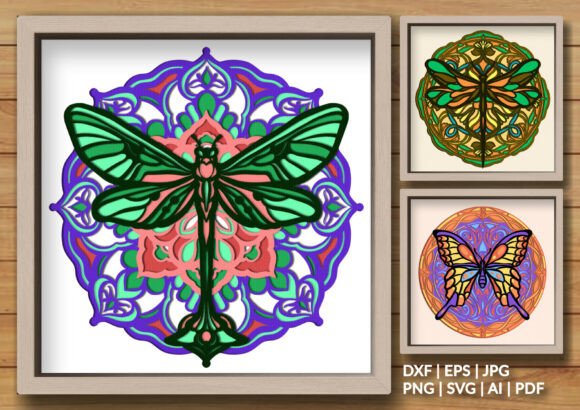
To utilize the Insect Mandala 3D Shadow Box Bundle Laye effectively, one must first appreciate its technical architecture. This is not a single-layer silhouette but a multi-component system. Each design features exquisitely detailed, multi-layered mandala backdrops that support the central figures of dragonflies and butterflies. The complexity of these designs requires precise cutting capabilities, making the format diversity of this bundle critical for different operational needs.
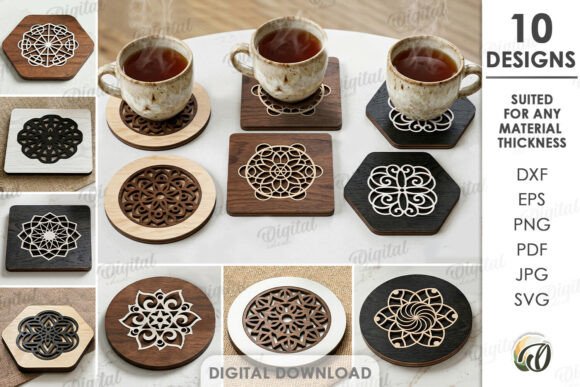
The bundle includes a comprehensive suite of file formats, ensuring compatibility across various software ecosystems and hardware constraints:
- SVG Files: Ideal for direct integration with Cricut Explore, Silhouette Designer Edition, and Adobe Suite. These files are essential for users who prioritize seamless workflow integration within modern design platforms.
- DXF Files: Specifically formatted for Silhouette users operating on free software versions. This ensures accessibility for budget-conscious creators without sacrificing design fidelity.
- EPS Files: Provided for professional vector editing in Adobe Illustrator or Inkscape. This format is crucial for designers who need to manipulate paths, adjust scales, or integrate the insect motifs into broader graphic design projects.
- AI Files: The original source files allow for advanced customization. For agencies or freelance designers, having access to the raw vector data enables brand-specific modifications, ensuring the final product aligns perfectly with unique client identities.
- PNG Files: High-resolution (300dpi) images with transparent backgrounds serve as excellent reference materials or mockup assets for marketing purposes before physical production begins.
- PDF Files: A comprehensive guide accompanies the bundle, providing step-by-step instructions on assembly, layering techniques, and material selection to achieve optimal 3D effects.
Strategic Applications in Business and Education
The value of the Insect Mandala 3D Shadow Box Bundle Laye extends beyond personal enjoyment. It serves as a versatile tool for generating revenue, enhancing educational outcomes, and strengthening brand identity. Below are key areas where this asset can be strategically deployed.
Product Diversification for E-commerce and Craft Fairs
For small business owners and Etsy sellers, standing out in a saturated market requires offering products that possess perceived high value. Three-dimensional shadow boxes command higher price points than standard wall art due to the labor and material investment required. The intricate vector filigree and swirling ornamental patterns inherent in this bundle create statement pieces that appeal to collectors and interior design enthusiasts. By positioning these items as "sophisticated handmade holiday gifts" or "meditation room decor," businesses can tap into niche markets focused on mindfulness, nature, and sacred geometry.
Furthermore, the durability of papercraft allows for consistent replication. Once the cutting parameters are optimized for specific materials (such as heavyweight cardstock or wood veneer), the production process becomes repeatable, supporting scalable growth without compromising the artisanal feel of the product.
Enhancing Educational Curricula
Educators and workshop leaders can use this bundle to teach complex concepts through hands-on activity. The layered nature of the designs provides a practical lesson in spatial reasoning, depth perception, and structural integrity. Students learn to interpret technical drawings, manage multiple components, and execute precise cuts. This aligns with STEAM (Science, Technology, Engineering, Arts, and Mathematics) education goals by combining artistic expression with engineering principles. The inclusion of PDF guides ensures that instructors have a structured framework for delivery, reducing preparation time and increasing instructional clarity.
Brand Storytelling and Visual Identity
Professional designers and marketers can extract elements from the AI or EPS files to incorporate into branding materials. The geometric elegance of the dragonfly and butterfly motifs symbolizes transformation and beauty, themes that resonate strongly in wellness, lifestyle, and creative industries. Using these vectors for custom packaging, business cards, or promotional displays adds a layer of tactile sophistication that digital-only media cannot replicate. The ability to customize the source files allows brands to maintain visual consistency while introducing unique, handcrafted elements into their identity.
Operational Considerations and Risk Management
While the potential benefits are significant, relying on complex layered designs introduces specific operational risks. Successful implementation requires careful planning and realistic expectations regarding resources and output.
Material Selection and Cost Control
A common pitfall in 3D papercraft is underestimating material costs. The depth and number of layers required for the Insect Mandala 3D Shadow Box Bundle Laye demand high-quality paper that maintains rigidity without tearing. Thin papers may collapse under the weight of upper layers, ruining the 3D effect. Conversely, overly thick materials may exceed the cutting capacity of consumer-grade machines like the Cricut or Silhouette. Decision-makers must conduct rigorous testing with sample batches to determine the optimal paper weight and type (e.g., matte vs. glossy, recycled vs. synthetic). Failure to optimize material choice leads to wasted inventory and increased customer service issues related to product defects.
Machining Precision and Maintenance
The clean and precise cutting required for these intricate designs places higher demands on cutting blades and machine calibration. Dull blades result in ragged edges, particularly in the fine details of the wings and mandala patterns. Professionals must establish a preventive maintenance schedule, including regular blade replacements and sensor calibrations. Ignoring these factors can degrade the perceived quality of the final product, undermining the premium positioning of the brand.
Assembly Complexity and Labor Hours
The most significant variable in profitability is assembly time. Unlike flat prints, shadow boxes require manual alignment, adhesive application, and layer stacking. This process is time-intensive and prone to human error. To mitigate this, creators should develop standardized assembly protocols, such as using registration marks or specialized jigs. For larger orders, considering automation tools or outsourcing assembly to trained technicians may be necessary to maintain margins. Without clear goals and efficient processes, the labor cost can quickly erode profit margins, making the venture unsustainable.
Best Practices for Intentional Use
To maximize the return on investment from the Insect Mandala 3D Shadow Box Bundle Laye, adopt a strategic approach to design and production.
- Define Your Niche: Before producing, identify the target audience. Are they buyers of minimalist decor, lovers of nature, or seekers of spiritual artifacts? Tailor your marketing messaging and material choices to reflect this identity.
- Prototype Rigorously: Create multiple prototypes using different materials and layer counts. Document the results to refine your production standards. Test for durability, especially if the product will be shipped to customers.
- Leverage Digital Assets: Use the PNG and PDF files for social media content creation. Show the assembly process, the texture of the paper, and the interplay of light and shadow. Visual storytelling builds trust and desire among potential buyers.
- Optimize Workflow: Organize your digital workspace to handle large SVG/EPS files efficiently. Batch cutting operations to reduce machine downtime. Label layers clearly in your design software to prevent confusion during assembly.
- Monitor Feedback: Collect customer feedback on the ease of assembly (if sold as kits) or the finished appearance (if sold as completed works). Use this data to iterate on designs, perhaps simplifying complex layers for beginner-friendly versions while keeping intricate ones for premium tiers.
Conclusion
The Insect Mandala 3D Shadow Box Bundle Laye is a powerful resource for those committed to excellence in papercraft. Its multi-format support, intricate design, and 3D potential offer significant opportunities for creative and commercial success. However, realizing this potential requires more than just downloading files; it demands strategic planning, operational discipline, and a deep understanding of the end-user experience. By approaching this bundle with intentionality—considering material science, labor efficiency, and brand alignment—creators and businesses can transform delicate vector lines into enduring, valuable physical experiences.