Mastering the Art of 3D Daisy Paper Flowers: A Comprehensive Guide to Makamo Creations’ Digital Craft Collection
Paper crafting has evolved significantly from simple origami folds and flat cardstock cutouts into a sophisticated medium capable of producing hyper-realistic, dimensional art. At the forefront of this movement is the 3D Daisy Paper Flowers collection by Makamo Creations. This digital asset library represents more than just a set of templates; it is a comprehensive toolkit designed to bridge the gap between digital precision and tactile creativity. Whether you are a professional event designer seeking high-end floral alternatives or a hobbyist looking for a rewarding weekend project, understanding the nuances of these designs is essential for achieving professional results.
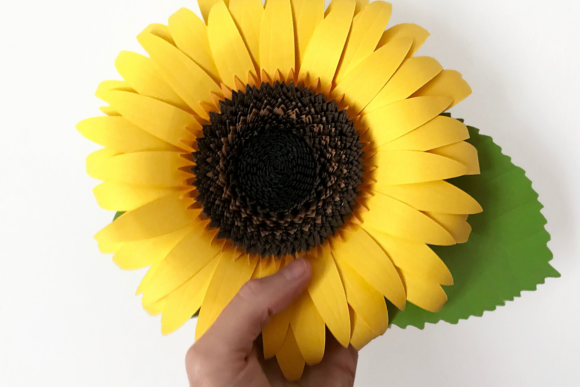
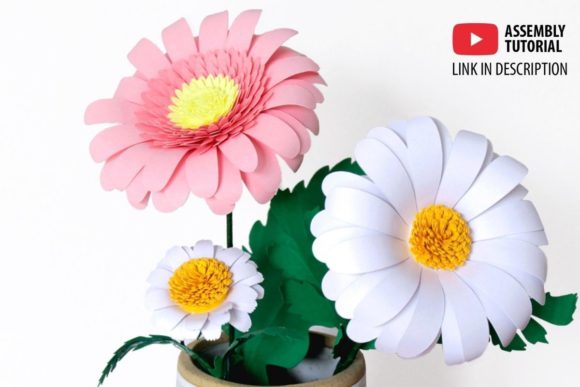
The core appeal of 3D Daisy Paper Flowers lies in their structural complexity. Unlike traditional flat flowers that rely on layering for depth, these designs utilize intricate scoring, folding, and assembly techniques to create volumetric blooms. The collection features three distinct varieties: the Gerbera Daisy, the Creeping Daisy, and the Common Daisy. Each variety offers a unique aesthetic profile, allowing creators to mix and match elements for diverse visual compositions. By leveraging modern cutting technology alongside manual dexterity, crafters can produce flowers that mimic the organic irregularity and delicate texture of real botanicals.
Deconstructing the Design Collection
To truly appreciate the value of this collection, one must examine the specific components included within the digital download. Makamo Creations has structured the files to accommodate various skill levels and machine capabilities. The collection is not merely a single file but a suite of resources tailored for different workflows.
The Three Floral Varieties
The versatility of the 3D Daisy Paper Flowers package stems from its inclusion of three separate SVG designs. Understanding the characteristics of each allows for better planning in large-scale projects.
- Gerbera Daisy Paper Flower Template: Known for its bold, flat-faced appearance and vibrant colors, the Gerbera requires precise petal separation. The template accounts for the layered nature of the Gerbera, ensuring that when assembled, the flower maintains its characteristic symmetry while offering enough depth to look three-dimensional.
- Creeping Daisy Paper Flower Template: This design captures the wilder, more scattered aesthetic of creeping daisies. The petals are often smaller and more numerous, requiring careful arrangement during assembly. This template is ideal for creating lush, garden-like arrangements where density is key.
- Common Daisy Paper Flower Template: Representing the classic Bellis perennis, this template focuses on simplicity and elegance. It serves as an excellent entry point for beginners due to its straightforward geometry, yet it remains sophisticated enough for high-end decor when paired with premium materials.
File Format Compatibility
A significant advantage of this digital product is its multi-format approach. Recognizing that not all users operate within the same software ecosystem, the files are provided in five distinct formats: SVG File, Transparent PNG (300 dpi), EPS, and DXF.
The SVG format is the industry standard for electronic cutting machines like Cricut and Silhouette. It ensures clean lines and scalable vectors without loss of quality. For those using older software or vector editing programs like Adobe Illustrator, the EPS and DXF files provide robust compatibility. Meanwhile, the Transparent PNG at 300 dpi is invaluable for users who wish to print the templates manually or use them as reference images for hand-cutting. This flexibility ensures that whether you are using a ScanNCut, a commercial plotter, or just scissors and a ruler, you have the appropriate tool for the job.
Workflow and Assembly Process
Creating 3D Daisy Paper Flowers is a process that demands patience and attention to detail. The journey from a digital file to a physical bloom involves several critical stages. While the templates simplify the geometric calculations, the physical assembly requires a methodical approach.
Cutting Techniques
The first step involves transferring the digital design onto your chosen material. If using a cutting machine, ensure that your blade is sharp and your mat tension is appropriate for the paper weight. Cardstock ranging from 65lb to 110lb is typically recommended for these structures, as it provides enough stiffness to hold the 3D shape without being too difficult to fold.
For those cutting by hand, the included PDF instructions serve as a crucial guide. Tracing the patterns requires steady hands, particularly for the smaller details of the Creeping Daisy. Using a fine-tip pen or a stylus helps in marking cut lines without tearing the paper surface.
Scoring and Folding
What distinguishes a flat paper flower from a true 3D creation is the scoring process. The templates include score lines that indicate where the paper needs to be creased. Using a bone folder or a blunt tool, crafters press along these lines to create crisp, defined folds. This step is vital for the 3D Daisy Paper Flowers because it dictates how the petals will curl and overlap. Incorrect scoring can result in a limp flower that lacks the intended volume.
Assembly and Gluing
The final stage is assembly. The collection includes a PDF with step-by-step photo assembly instructions, which is indispensable for navigating the complex layering required for the Gerbera and Common Daisy varieties. Adhesives play a major role here; liquid glue is often preferred over hot glue for delicate paper flowers because it allows for slight adjustments before setting and prevents warping of thin cardstock. Applying glue sparingly to the base of each petal and securing them in sequence builds the flower’s structure from the center outward.
Practical Applications and Use Cases
The utility of 3D Daisy Paper Flowers extends far beyond simple decoration. Their durability and customizable color palettes make them suitable for a wide array of professional and personal applications.
Event and Wedding Decor
In the events industry, fresh flowers are expensive, perishable, and subject to seasonal availability. Paper flowers offer a permanent, cost-effective alternative. Large-scale installations, such as arches, backdrops, and centerpieces, benefit greatly from the uniformity and longevity of crafted blooms. Because the 3D Daisy Paper Flowers are made from paper, they can be produced in any color scheme to match a wedding theme, from pastel pinks to deep burgundies, without the logistical nightmare of sourcing rare fresh varieties.
Home Staging and Interior Design
Interior designers increasingly incorporate artificial flora to add texture and warmth to living spaces. 3D Daisy Paper Flowers can be arranged in vases, mounted on walls, or integrated into wreaths. Their lightweight nature makes them safe for hanging displays, and their realistic appearance adds a touch of biophilic design to modern interiors. Educators and students also find these crafts valuable for teaching principles of geometry, spatial reasoning, and artistic composition.
Gift Giving and Personalization
On a personal level, handmade paper flowers carry emotional weight. A bouquet of 3D Daisy Paper Flowers crafted by hand serves as a thoughtful, lasting gift. They can be customized with ribbons, embellishments, or specific color choices to suit the recipient’s taste. This aspect of personalization is particularly appealing to consumers who value artisanal goods over mass-produced items.
Considerations for Success
While the 3D Daisy Paper Flowers collection provides excellent tools, success depends on several factors beyond the digital files themselves.
Material Selection: The choice of paper significantly impacts the final look. Standard copy paper is too flimsy to hold 3D shapes well. Conversely, heavy chipboard may be too difficult to score and fold. Medium-weight cardstock with a slight tooth (texture) often yields the best results, providing grip for adhesives and stability for folds. Experimenting with different textures, such as matte, glossy, or patterned papers, can further enhance the realism of the blooms.
Lighting and Display: To highlight the three-dimensional aspects of the flowers, lighting is crucial. Shadows cast by the overlapping petals contribute to the perception of depth. Displaying the flowers near natural light or using directional spotlights can accentuate the curves and layers created by the Makamo Creations templates.
Time Management: Crafting 3D Daisy Paper Flowers is time-intensive. For small batches, this is manageable. However, for large commercial orders, efficiency becomes paramount. Utilizing cutting machines rather than hand-cutting can drastically reduce production time. Additionally, batching tasks—such as cutting all Gerbera petals first, then all scores, then all glues—can streamline the workflow and improve consistency across multiple units.
Conclusion
The 3D Daisy Paper Flowers collection by Makamo Creations stands out as a versatile and high-quality resource for anyone interested in advanced paper crafting. By providing multiple file formats, detailed instructions, and designs for three distinct daisy varieties, the collection caters to a broad spectrum of users, from novice crafters to seasoned professionals. The ability to produce realistic, durable, and customizable floral arrangements opens up numerous possibilities in decor, events, and education. As the demand for sustainable and long-lasting decorative solutions grows, digital paper flower templates like these offer a practical, creative, and economically viable path forward. Mastering these designs not only enhances one’s crafting skills but also produces tangible works of art that bring the beauty of nature indoors, indefinitely.