Graduation 2026 Topper 3D SVG
Reaching the end of an academic journey is a monumental milestone, marking years of dedication, late-night study sessions, and personal growth. For the Class of 2026, this transition represents not just a conclusion, but a vibrant beginning. As families and educators plan to commemorate these achievements, the demand for high-quality, personalized decor has surged. Among the most popular tools for creating memorable keepsakes is the Graduation 2026 Topper 3D SVG. This digital asset allows creators, party planners, and DIY enthusiasts to produce sophisticated, multi-layered designs that elevate standard decorations into professional-grade centerpieces.
Understanding how to leverage vector graphics for physical crafts can transform a simple celebration into an unforgettable experience. The following guide explores the features, applications, and practical considerations of using this specific design file to honor hard work and bright futures.
The Evolution of Digital Craft Design
In recent years, the intersection of technology and traditional crafting has created new opportunities for customization. Scalable Vector Graphics (SVG) files have become the gold standard for this purpose because they allow designs to be resized without losing quality. When applied to graduation decor, an SVG file enables precise cutting by machines like Cricut or Silhouette, ensuring that every curve of a mortarboard or every line of a diploma is perfectly rendered.
The Graduation 2026 Topper 3D SVG stands out in this landscape due to its complexity and aesthetic appeal. Unlike flat, single-layer designs, this file is engineered with multiple distinct layers. Each layer corresponds to a different visual element—such as the background, the text, the cap, and decorative accents—which are then stacked during assembly. This technique creates depth, shadow, and dimension, mimicking the look of a handcrafted shadow box rather than a mass-produced print.
Deconstructing the Design Elements
What makes this particular SVG file so effective? It lies in the meticulous attention to detail and the symbolic weight of its components. A successful graduation decoration does more than announce the year; it tells a story of achievement. Here is a breakdown of the key features that define this design:
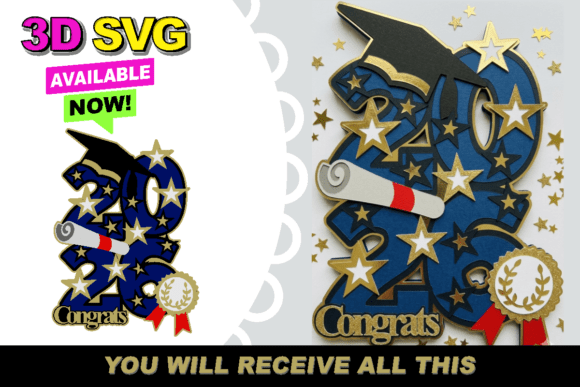
- Intricate Multi-Layered Academic Structure: The core of the design is a bold "2026" base. Surrounding this anchor are essential academic symbols, including a classic graduation cap with detailed gold trim and a rolled diploma. These elements are not merely placed next to each other; they are layered to create a 3D shadow box effect. This stacking technique adds physical depth, making the decoration pop off the cake or table surface.
- Prestigious Detailed Accents: To capture the spirit of victory, the design incorporates high-end details such as a laurel wreath, a universal symbol of triumph. Scattered across the composition are gold stars, adding a festive yet elegant touch. The typography used for sentiments like "Congrats" is selected for its elegance, ensuring readability while maintaining a boutique aesthetic.
- Sophisticated Color Palette: The default color scheme typically utilizes deep navy blue and metallic gold. This combination is timeless and conveys prestige. Navy suggests professionalism and stability, while gold highlights success and excellence. This palette works seamlessly for both high school and university graduations, offering a versatile look that appeals to a wide audience.
Practical Applications and Use Cases
The versatility of the Graduation 2026 Topper 3D SVG means it can be utilized in various contexts beyond just a cake topper. Its durable structure and visual impact make it suitable for several creative projects.
Celebratory Centerpieces
For graduation parties and senior nights, table decor sets the tone for the event. By cutting the SVG layers from heavy cardstock or glitter paper, hosts can create stunning centerpieces that serve as conversation starters. The 3D aspect ensures that the decoration catches the light and draws the eye, enhancing the overall ambiance of the venue.
Personalized Gifts
Beyond party decor, this design is ideal for commemorative gifts. Parents and mentors often seek unique ways to celebrate their graduates. Incorporating the 3D topper into a framed shadow box, a scrapbook cover, or even a custom greeting card adds a personal touch that store-bought items lack. The intricate details allow the recipient to appreciate the effort put into the gift long after the party ends.
Professional Event Branding
Schools and organizations hosting commencement ceremonies may also benefit from this design. While large-scale banners require different specifications, smaller branded materials like place cards, invitations, or program covers can feature this elegant motif. It provides a cohesive look that aligns with the formal nature of academic events.
Material Considerations for Best Results
To achieve the professional finish described in the product details, material selection is crucial. The design’s strength relies on the contrast between layers, which is best achieved through thoughtful choice of substrates.
- Cardstock Weight: Standard printer paper will not hold the structure required for a 3D effect. It is recommended to use cardstock ranging from 80lb to 110lb. Heavier papers provide better stability, preventing warping or bending, especially when assembling multiple layers.
- Textured Finishes: To enhance the luxurious feel, consider using textured cardstocks. Linen, linen-embossed, or matte finishes offer a sophisticated backdrop that contrasts well with glossy or metallic elements.
- Glitter and Metallic Papers: The gold trim and stars mentioned in the design are perfect candidates for glitter or metallic paper. Using these materials for specific layers can create a dazzling focal point. However, balance is key; too much glitter can overwhelm the design, so it is best used sparingly on accent pieces.
Evaluating Suitability for Your Project
Before purchasing or downloading the Graduation 2026 Topper 3D SVG, it is important to assess whether it fits your specific needs. While the design is highly adaptable, there are factors to consider regarding scale and skill level.
Scale and Proportion: Ensure that the size of the SVG matches your intended application. A topper designed for a six-inch cake may need scaling up significantly if you intend to use it as a wall decoration or a large banner. Most SVG editors allow for easy resizing, but always check the proportions to maintain the integrity of the design.
Assembly Complexity: Because this is a multi-layered design, assembly requires patience and precision. Users should be comfortable with basic crafting techniques such as adhering small pieces accurately and managing delicate cutouts. If you are new to layering, start with fewer layers to understand the spatial relationships before attempting the full complex design.
Compatibility: Verify that your cutting machine software supports the file format. Most modern crafting platforms import SVGs seamlessly, but older systems might require conversion. Additionally, ensure that the file includes all necessary separate layers for the 3D effect; some simplified versions might merge elements, reducing the final visual impact.
Conclusion
The Graduation 2026 Topper 3D SVG offers more than just a digital image; it provides a framework for celebrating significant life milestones with grace and style. By combining intricate detailing, symbolic elements, and a sophisticated color palette, it allows creators to produce decorations that truly honor the Class of 2026. Whether used for a intimate family gathering or a large school ceremony, this design empowers users to add a personal, professional touch to their celebrations. With careful material selection and attention to assembly, the result is a lasting tribute to academic achievement and future potential.